
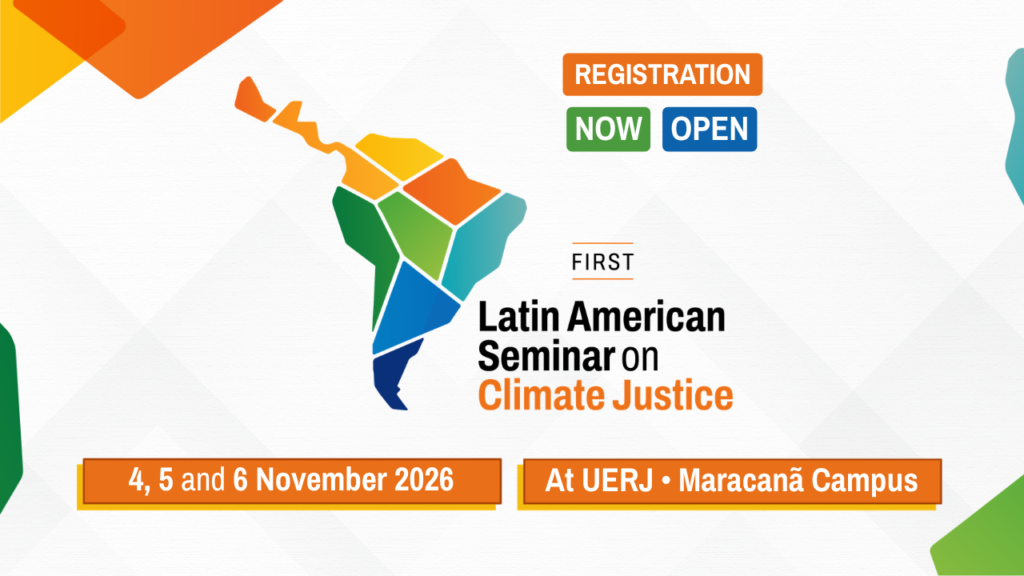
Registration is now open for the 1st Latin American Seminar on Climate Justice
The Observatory is currently accepting applications from those interested in taking part in the activities of the 1st Latin American Seminar on Climate Justice, which will be held on 4, 5 and 6 November 2026 at the Rio de Janeiro State University (UERJ).
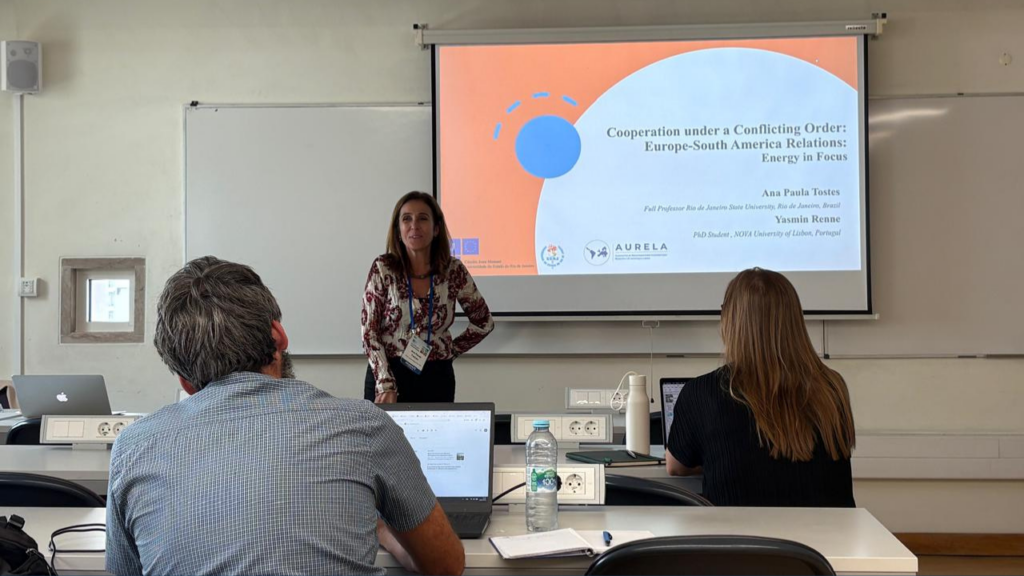
OIMC at the Pan-European Conference on International Relations in Portugal
Between 1 and 4 September, Professor Ana Paula Tostes and Professor Carlos R. S. Milani took part in the programme of the 19th Pan-European Conference on International Relations, organised at the University Institute of Lisbon by the European International Studies Association.
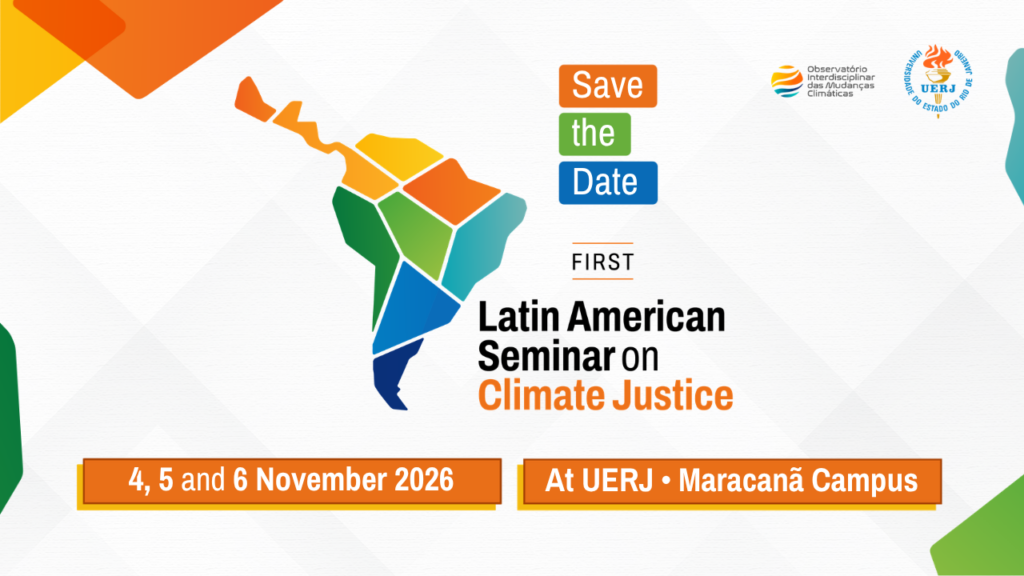
First Latin American Seminar on Climate Justice
The Observatory is proud to announce the dates of the first Latin American Seminar on Climate Justice, which will be organised by our team from 4 to 6 November at the Maracanã campus of UERJ.
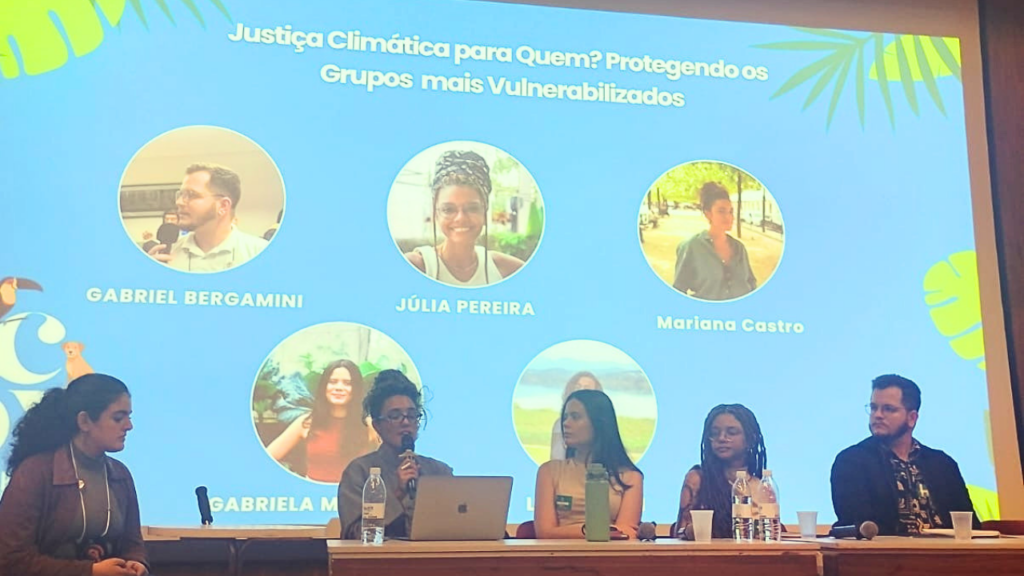
OIMC researcher participates in the São Paulo Local Conference on Youth at USP
Last Friday, 15 August, political scientist Mariana Castro, a researcher at the Observatory, took part in the São Paulo Local Conference on Youth organised by Youth Non-Governmental Organisations (YOUNGO), a body of the UNFCCC, which was held in the István Jancsó Auditorium at the University of São Paulo.

New Cadernos do OIMC investigates the role of credit rating in Climate Obstruction
The Observatory is launching the 23rd volume of Cadernos do OIMC. In this first issue published entirely in English, Cadernos features the article ‘Climate Obstruction through Ratings: A Research Agenda’, written by political scientist Pedro Lange Machado (Cebrap).

OIMC Director coordinates postdoctoral programme at the National University of Córdoba
On 10 and 11 August, Prof. Carlos R. S. Milani was one of three guest coordinators at the 21st edition of the Multidisciplinary Continuing Education Programme for PhD holders in the Social Sciences at the National University of Córdoba (Argentina).
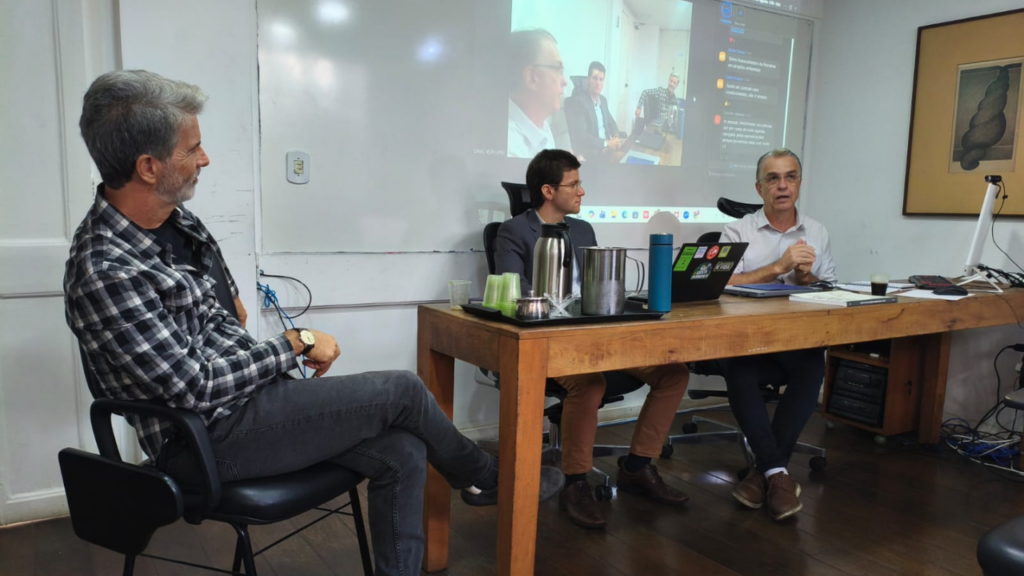
OIMC Plenary Meeting – August 2026
Last Monday, 3 August, the Observatory met once again at IESP-UERJ for an internal planning meeting, featuring presentations by guests André Tovar Braga (Skoros Project) and Marcos Sant'Anna Lacerda (Terra Azul Institute).
OIMC establishes collaboration plan with the Institute of International Relations and Defence at UFRJ
The Observatory and the Institute of International Relations and Defence at the Federal University of Rio de Janeiro have just officially established a plan for inter-institutional partnership and collaboration on academic activities from 2027 onwards.
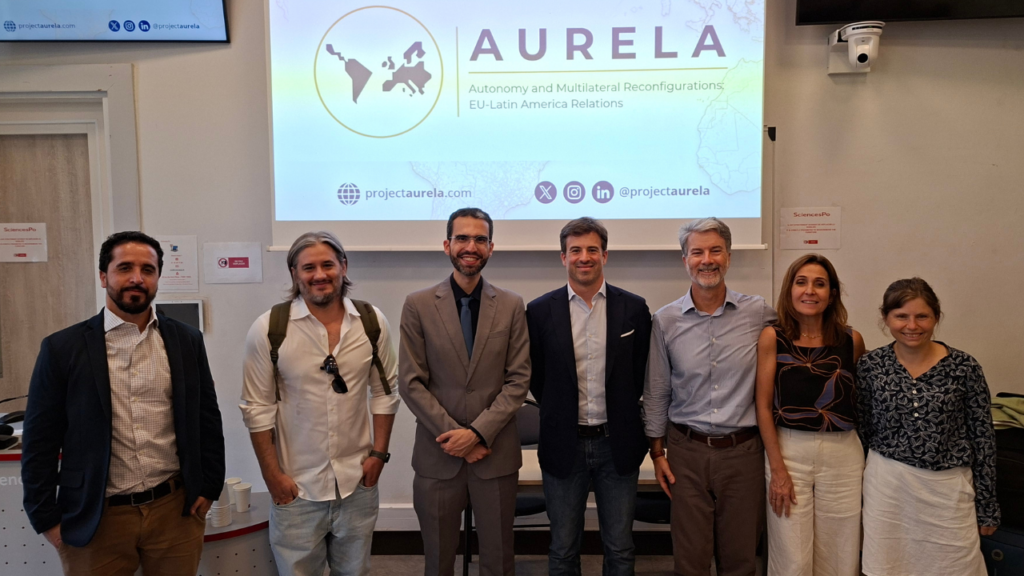
LABMUNDO, OIMC and LABRI attend the launch of the AURELA Project at Sciences Po Paris
From 29 June to 2 July, Professors Ana Paula Tostes, Pablo Saturnino Braga and Carlos R. S. Milani contributed to the launch event of the project ‘Autonomy and Multilateral Reconfigurations: EU–Latin America Relations’ in France, taking part in meetings and seminars organised in Paris and Lyon.