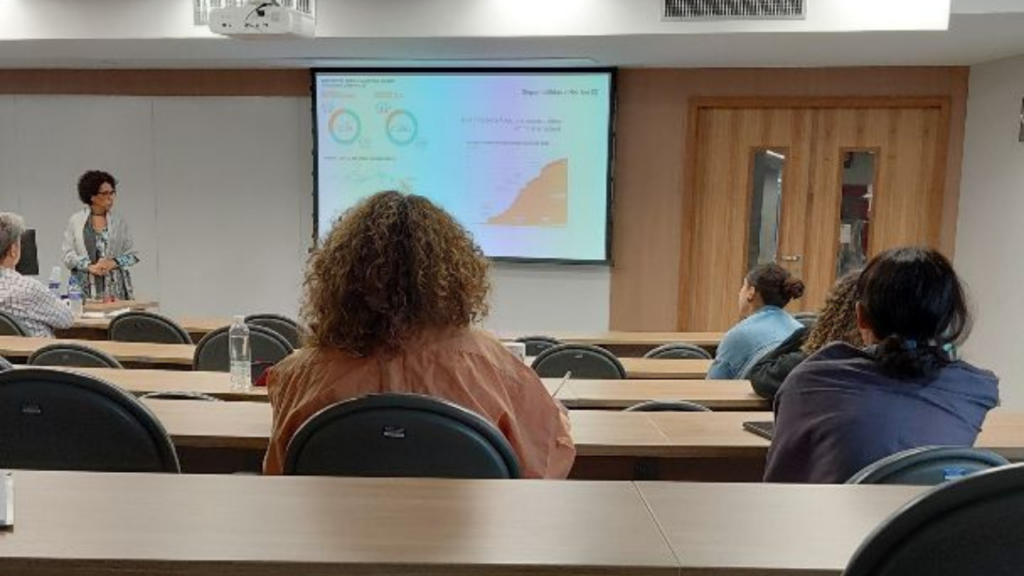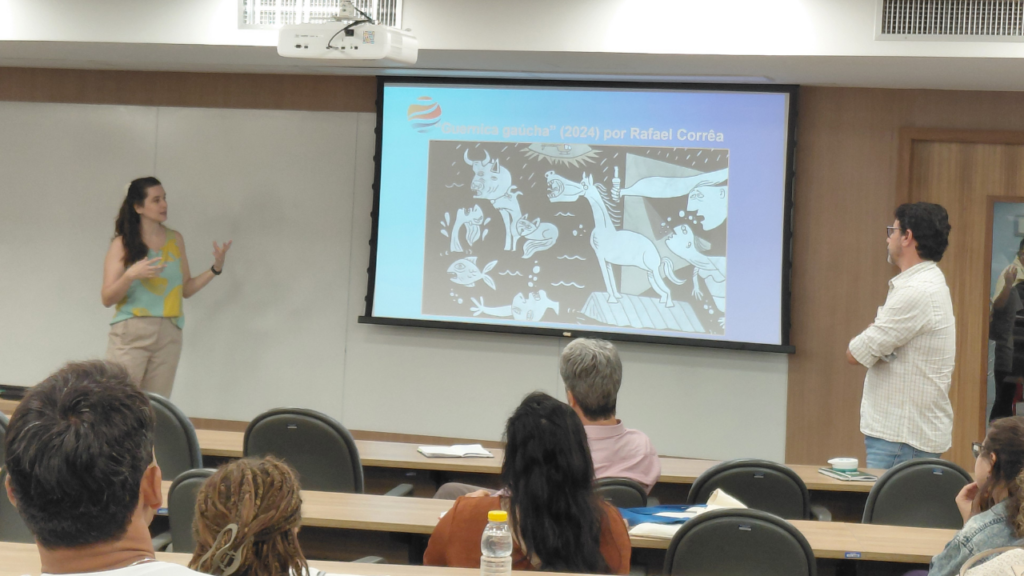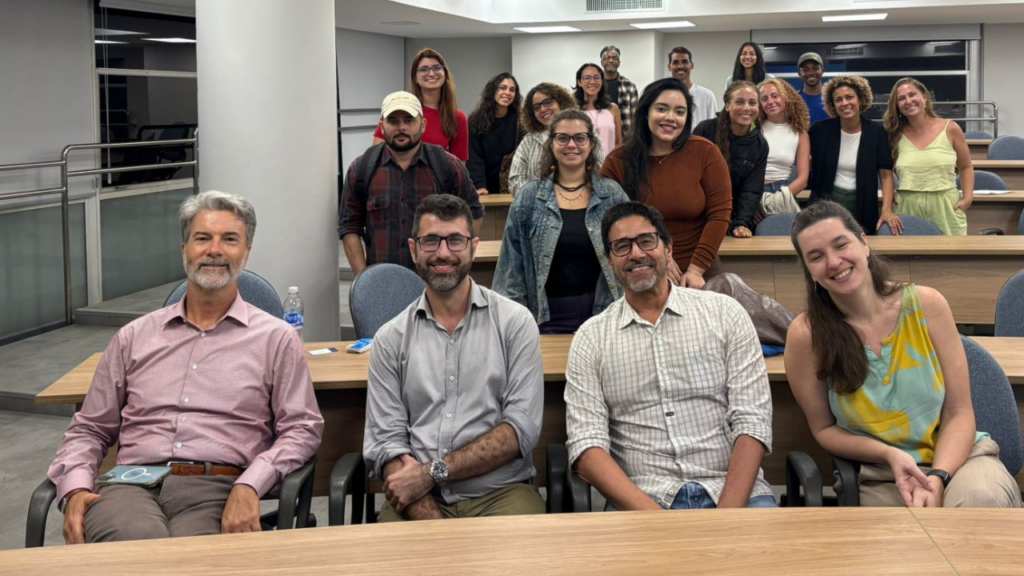
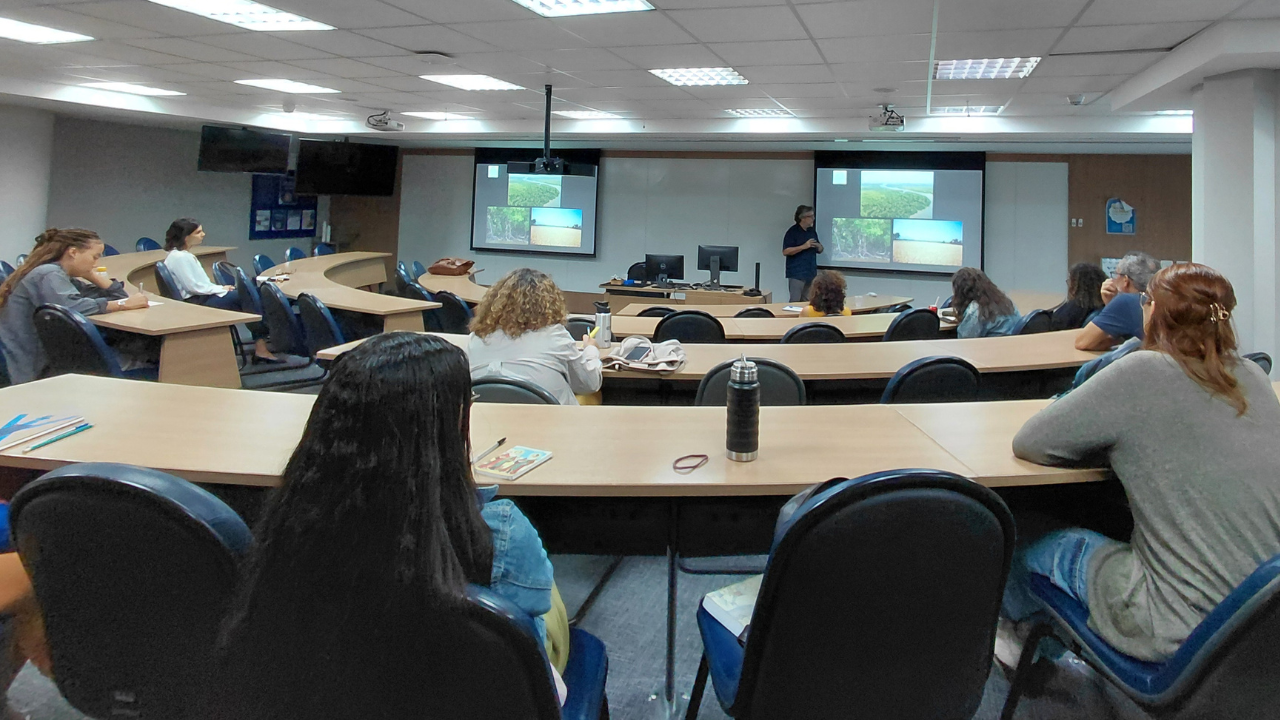
In March 2026, the Getúlio Vargas Foundation (FGV Arte) hosted a short course entitled The Anthropocene and the Climate Emergency: where art and science meet, an initiative of the Interdisciplinary Observatory on Climate Change. Between 16 and 26 March, at the FGV headquarters in Rio de Janeiro, the course programme presented content integrating fields and themes such as art, international relations, oceanography, sociology, law, economics and political science, taught by researchers from the Observatory and guest lecturers.
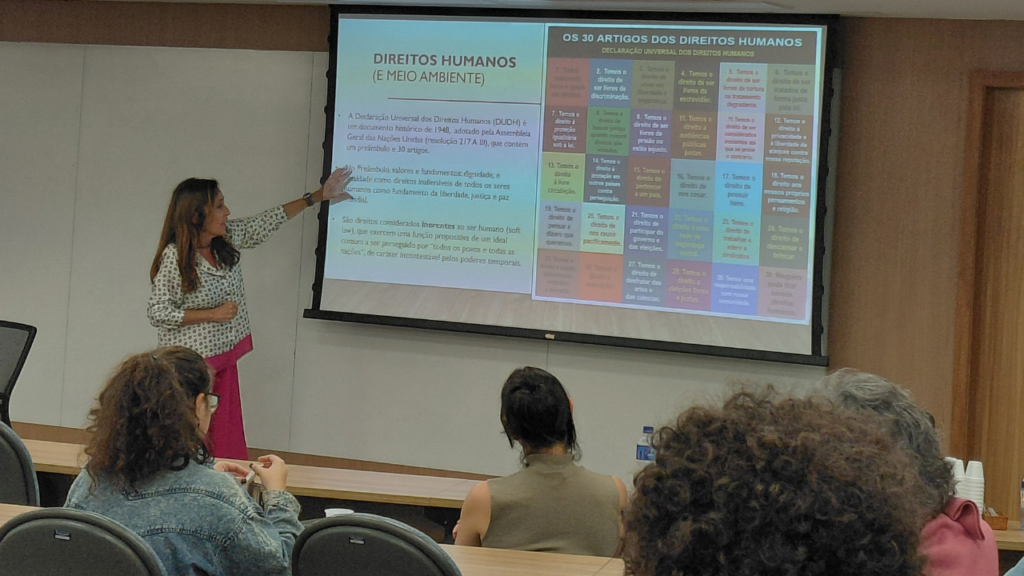
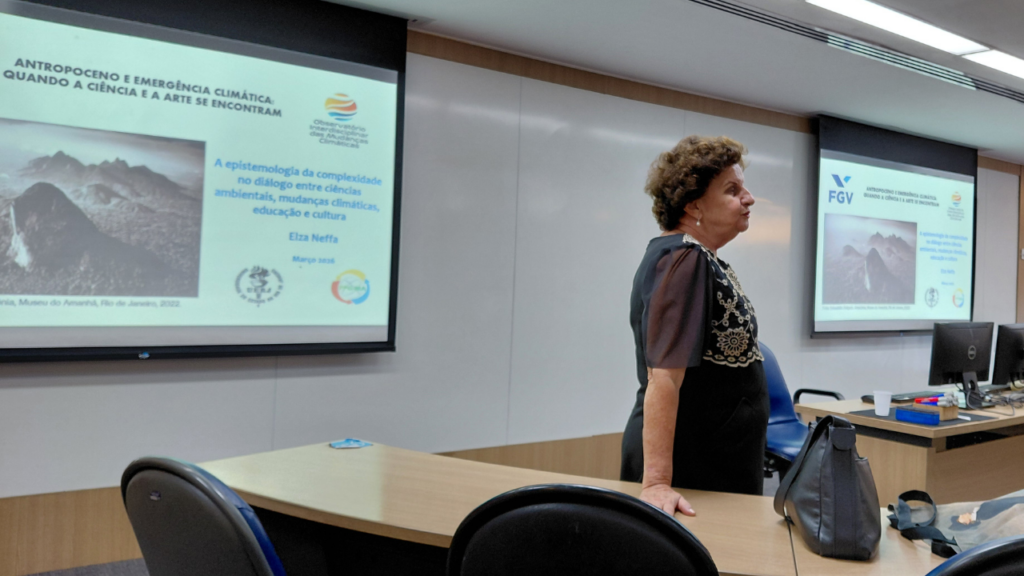
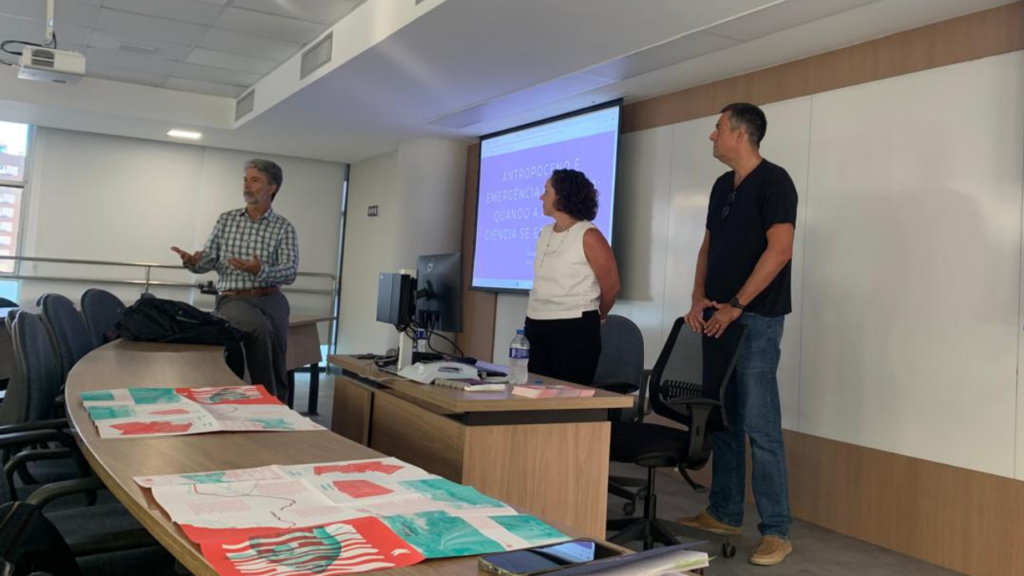
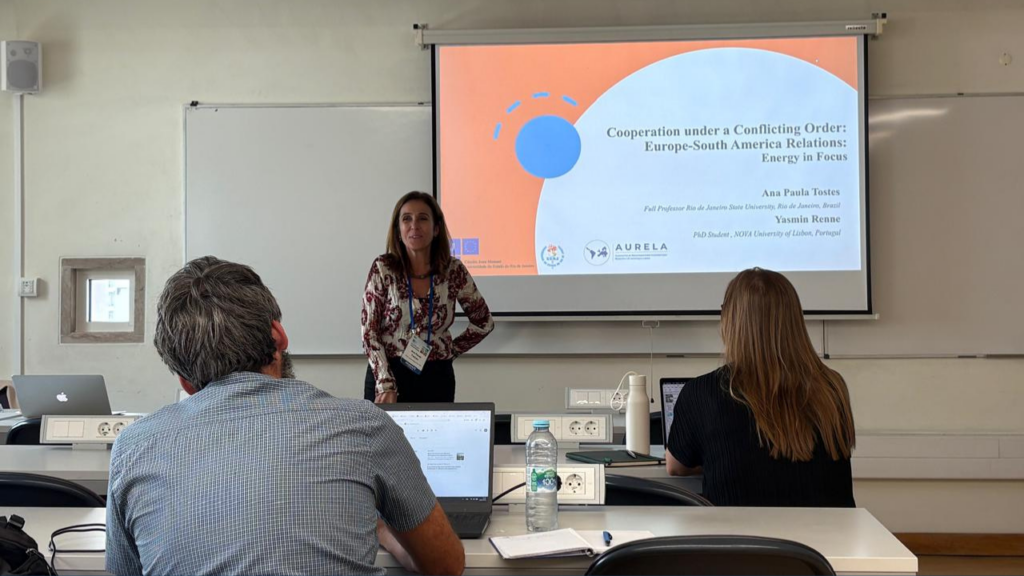
Coordinated by our director, Prof. Carlos R. S. Milani, the initiative was developed in partnership with Blanche Marie Evin of FGV-Arte and carried out by a group of professors including Ana Paula Tostes (OIMC/UERJ), Bruna Bataglia (OIMC/IESP-UERJ), Cristiana Losekann (CCHN-UFES), Danielle Costa da Silva (OIMC/IRID-UFRJ), Diego Kern Lopes (Organon-UFES), Elza Neffa (OIMC/PPGMA-UERJ), Filipe Chaves (OIMC/FAOC-UERJ), Mário Soares (OIMC/FAOC-UERJ), Pablo Saturnino (OIMC/DRI-UERJ), Rosa Formiga (OIMC/PEAMB-UERJ), Rubens de S. Duarte (OIMC/IMM-ECEME) and Viviane F. de Oliveira (OIMC/GAG-UFF).
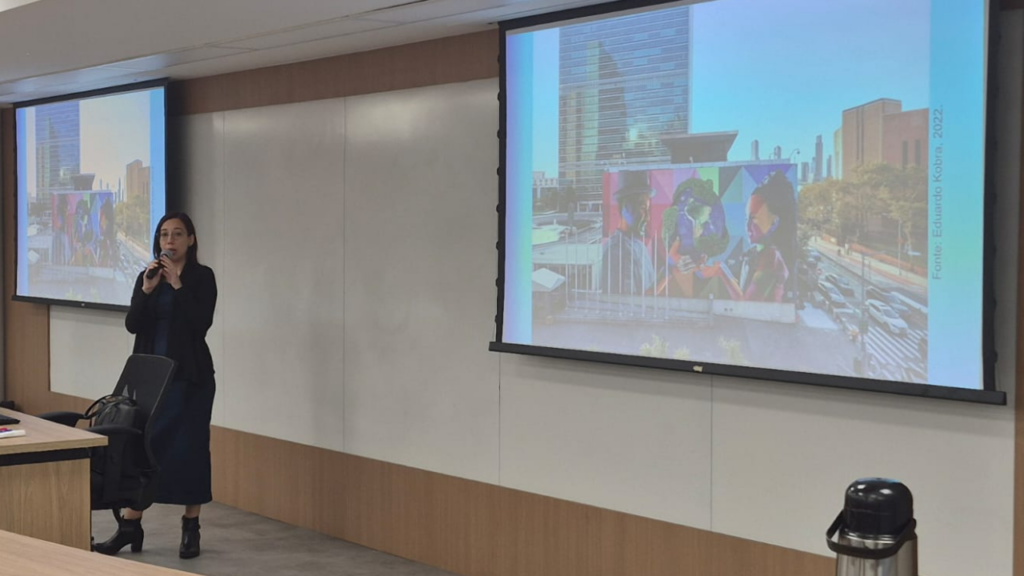
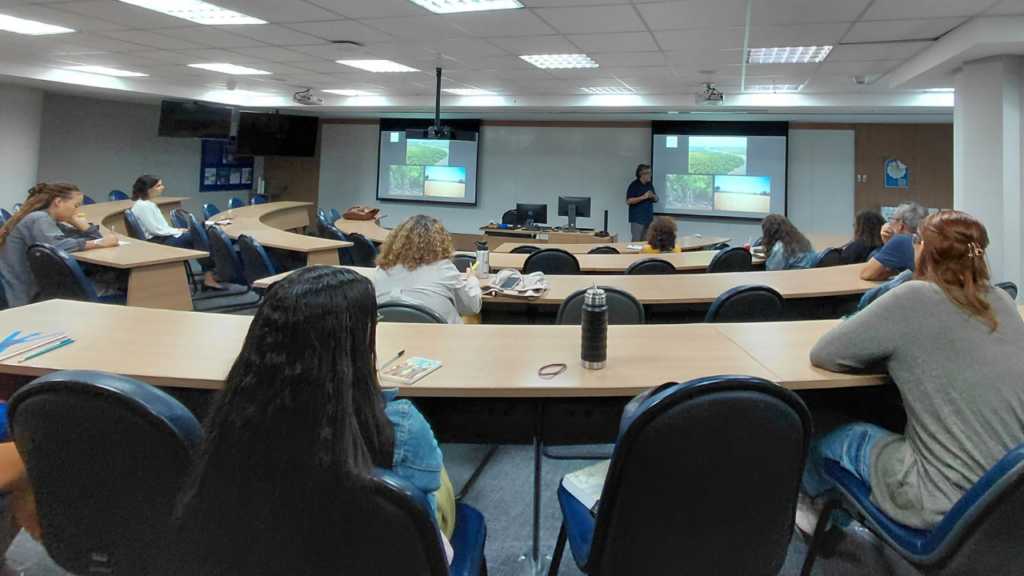
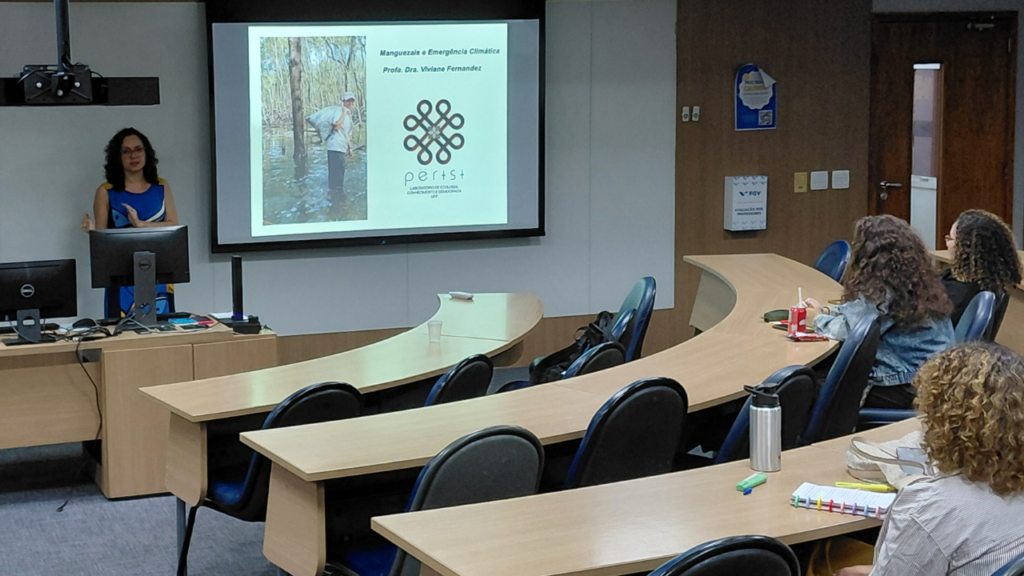
Spanning eight meetings, the short course aimed to provide participants with a solid grounding in the role of science, governance and public engagement in reducing vulnerabilities. It also highlighted the problems caused by climate denialism when formulating public policies based on accurate climate information. At the end, participants were encouraged to identify ways and strategies to take positive action in response to the climate emergency.
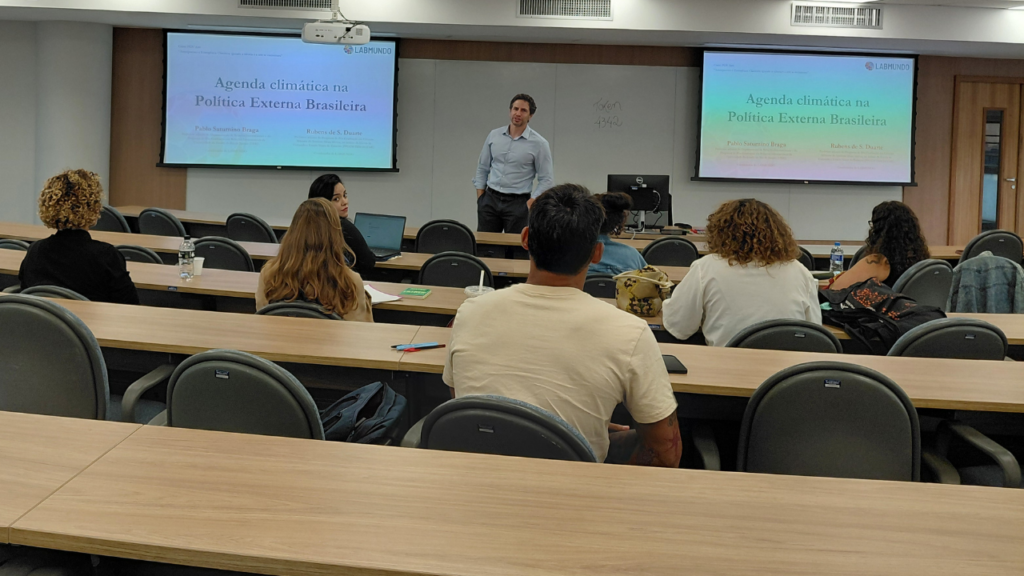
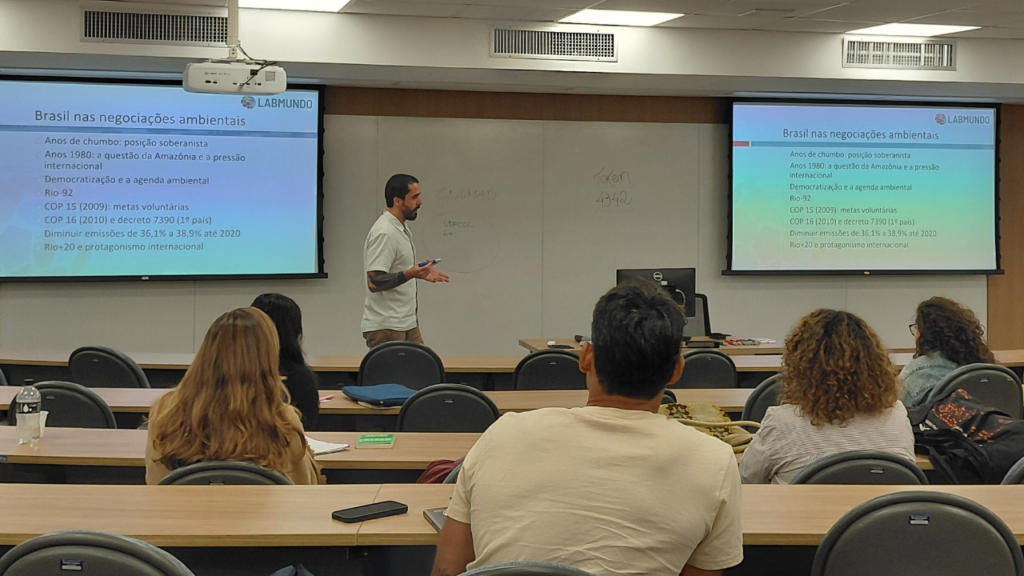
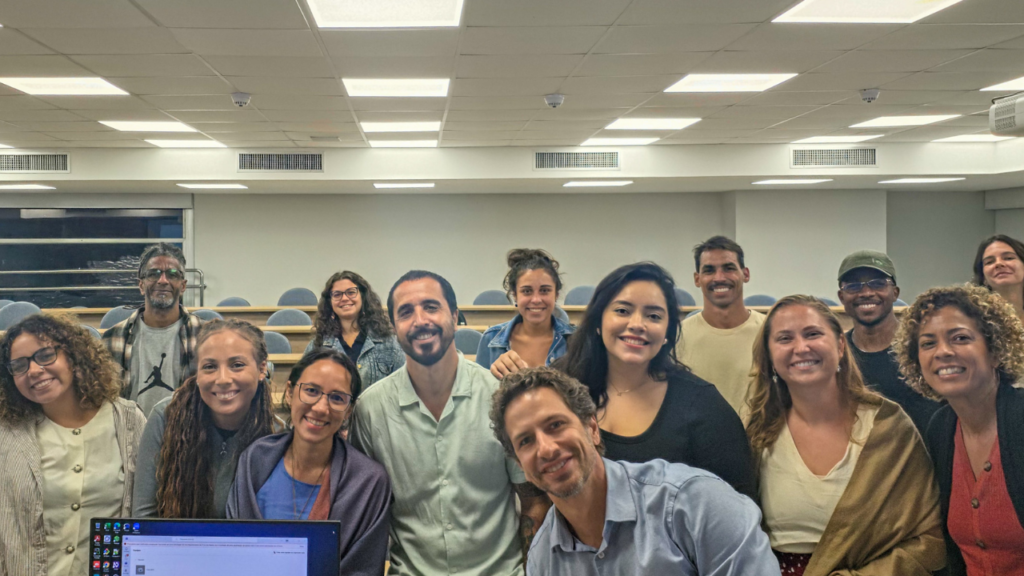
The intensive course concludes the academic activities programme linked to the exhibition Adiar o Fim do Mundo (Postponing the End of the World), started in 2025 with a series of lectures delivered by figures such as François Gemenne (HEC Paris/Sciences Po) and Prof. José Maurício Domingues (IESP-UERJ), a researcher associated with the OIMC. Curated by Paulo Herkenhoff and Ailton Krenak, the exhibition brought together over 100 works from different periods and cultural contexts, employing techniques and media that address the urgent issues of the environmental crisis, the legacy of colonialism, structural racism, and the forms of resistance practised by indigenous peoples and traditional communities.